
Caleb Bashor
Caleb is an Assistant Professor of Bioengineering & BioSciences at Rice University, USA. His research focuses on engineering synthetic circuitry to reshape cellular phenotypes, with an eye on developing transformational cell-based therapeutics from engineered human cells. More info...
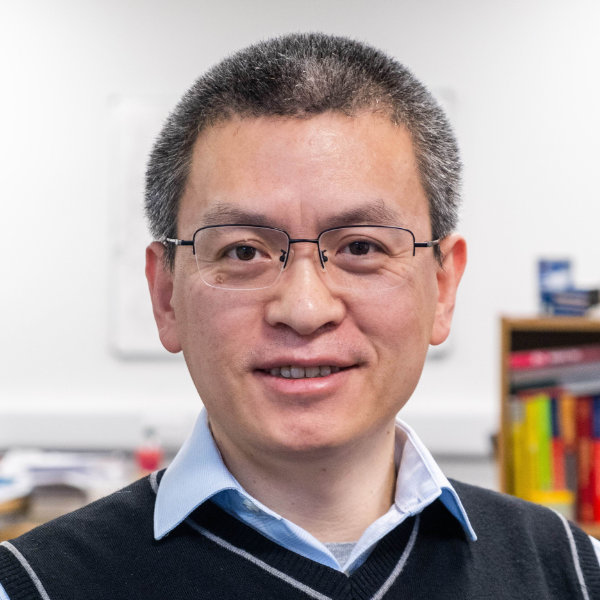
Haiping Lu
Haiping is a Professor of Machine Learning at the University of Sheffield, UK, and Director of the UK Open Multimodal AI Network (UKOMAIN). His research develops deployment-centric multimodal AI methods for biological and medical challenges, including protein sequence design, cancer diagnosis, and neurocardiac imaging. He also leads the PyKale open-source project for knowledge-aware machine learning. More info...
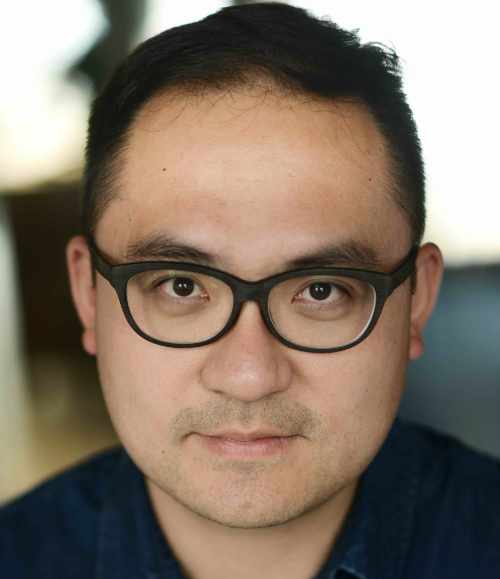
Henry Lee
Henry is the co-founder and CEO of Cultivarium, an engineering firm that builds life science tools to harness the extraordinary power of the biological universe in record time. Founded as the first Focused Research Organization (FRO), Cultivarium is now adapting its integrated molecular biology, AI, and robotics to explore novel biology as a Frontier Research Contractor (FRC). More info...

Huimin Zhao
Huimin is the Steven L. Miller Chair of chemical and biomolecular engineering, and professor of chemistry, biochemistry, biophysics, and bioengineering at the University of Illinois at Urbana-Champaign, USA. His group combines synthetic biology, machine learning, and laboratory automation tools to address society's most daunting challenges in human health and energy, and investigating the fundamental aspects of enzyme catalysis, cell metabolism, and gene regulation. More info...

Jana Weber (remote)
Jana is an Assistant Professor for Artificial Intelligence in Bioscience at the Department of Intelligent Systems at the TU Delft, Netherlands. She studies how network science and machine learning can push forward the development of sustainable bioprocesses, bridging theoretical and experimental fields. More info...
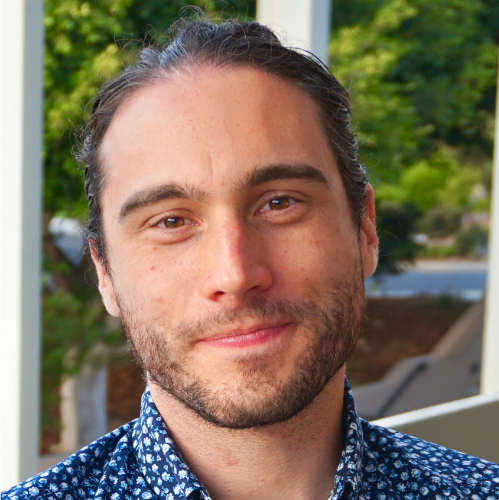
Jean-Baptiste Lugagne
Jean-Baptiste is an Associate Professor at the University of Oxford, UK. His research is at the intersection of synthetic biology, control theory, and machine learning and aims to transfer data-driven approaches to biological research and engineering. More info...

Jeff Clune (remote)
Jeff is a Professor of Computer Science at the University of British Columbia, Canada, CIFAR AI Chair and Faculty Member of the Vector Institute, and Senior Research Advisor to DeepMind. He is interested in creating open-ended algorithms where AI systems can learn and truly innovate without end (as natural evolution and human culture do). More info...
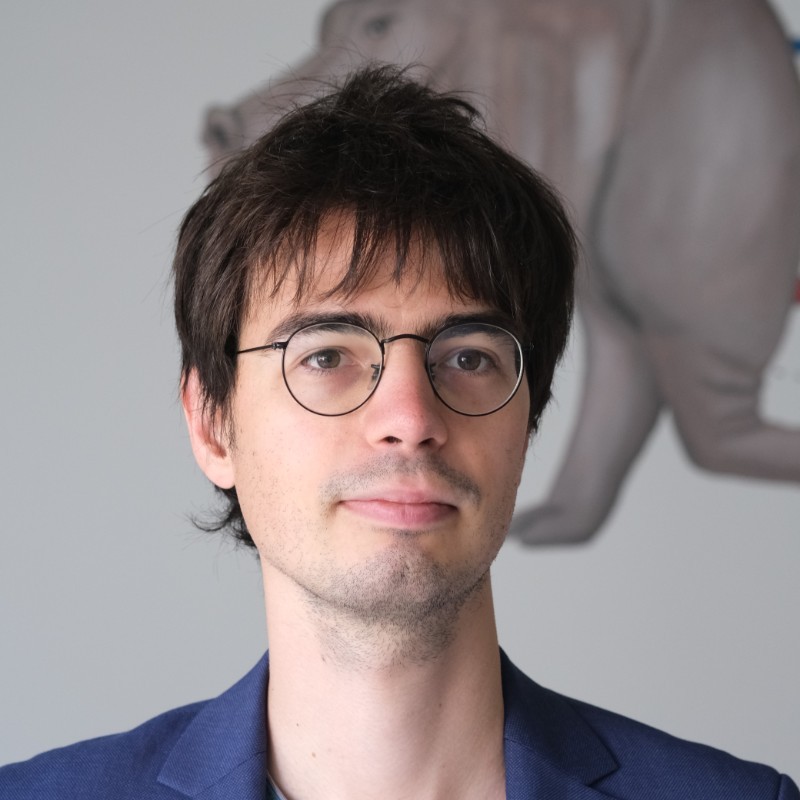
Michiel Stock
Michiel is an Assistant Professor in the Faculty of Bioscience Engineering at Ghent University, Belgium. He is interested in applying computational intelligence to modelling and engineering in the life sciences and has pioneered novel approaches to biological design through hyperdimensional computing. More info...

Niko McCarty
Niko is the Founding Editor of Asimov Press and has a long background in biology and science journalism. He currently publishes deep and thoughtful articles at the frontiers of biology, as well as about its history. More info...

Sabine Hauert
Sabine is a Professor of Swarm Engineering at the University of Bristol, UK. Her research focusses on making swarms for people, and across scales, from nanorobots for cancer treatment, to larger robots for environmental monitoring, or logistics. She is also President and Co-founder of Robohub.org, and executive trustee of AIhub.org, which connect the robotics and AI communities to the public. More info...

Samuel Schaffter
Sam is a project leader in the Cellular Engineering Group at the National Institute of Standards and Technology (NIST), USA. His research focuses on developing an RNA-based molecular programming language for engineering biology. In addition to creating RNA technologies, Sam’s group uses their RNA circuits as testbeds for developing measurements to support the broader engineering biology community and inform models of molecular circuit design. More info...